米莱改革的五大经济底层逻辑与共生经济学范式解析
米莱改革的五大经济底层逻辑与共生经济学范式解析
The Five Fundamental Economic Principles of Milei’s Reforms: An Analysis through the Paradigm of Symbionomics
钱宏(Archer Hong Qian)
2026年11月26日夜于布宜诺斯艾利斯NIC Lerma公寓403室
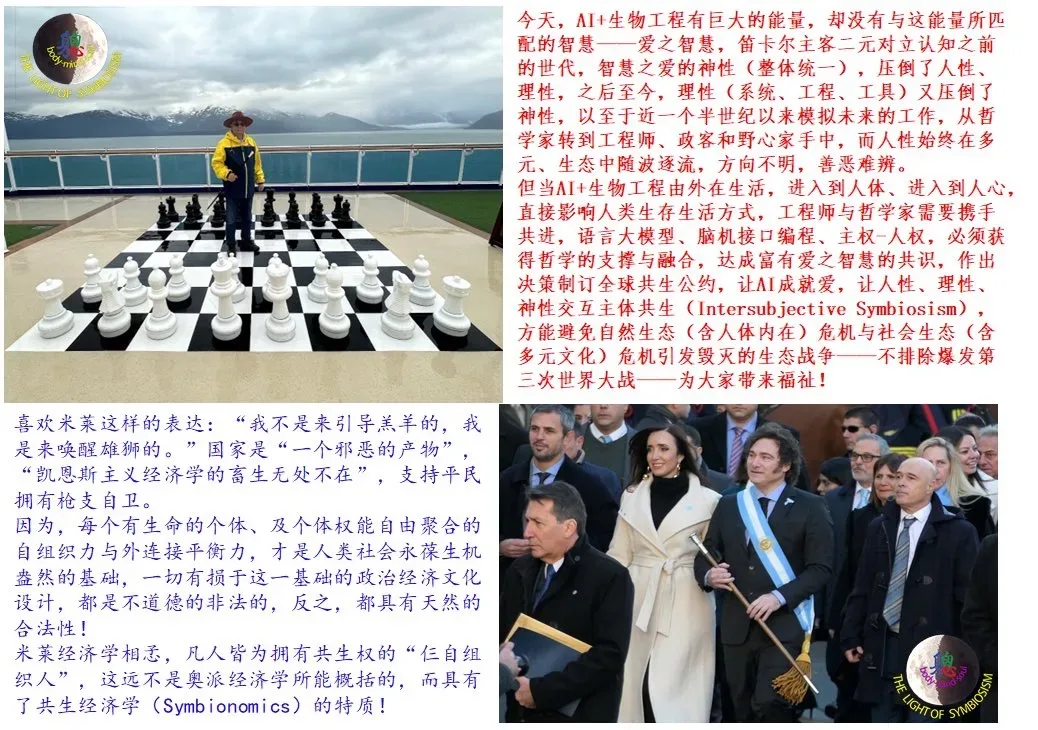
“我来唤醒雄狮,而非引领羔羊!”(Yo no vine a guiar corderos, yo vine a despertar leones.)[Ⅺ、Ⅻ]
内容提要:本文从米莱近三年的改革实践中提炼出五大经济底层逻辑:财富创造先于财富分配、财政约束、货币信用、自由竞争与制度稳定。通过比较七种既有经济理论及政策范式,揭示改革所触及的跨意识形態、跨时空的殖官主义癌变式组织繁衍机制及其制度根源——决策免责权。以共生经济学贯通改革的建设性理路:电锯改革是破,五月公约是立,重建组织信托是贯通破与立的制度枢纽,提升生命效能是改革的价值归宿。以GDE、效能系数、五因指数及生活基准检验改革,探索超越传统意识形態争论的全新经济学范式。
关键词: 米莱改革;共生经济学;殖官主义;决策免责权;组织信托;生命效能
米莱上任伊始,从阿根廷国会议长手中接过总统权杖、面对宪法宣誓的那一幕,就给我留下了深刻印象。
三年来,我一直关注并思考来自阿根廷、来自米莱的各种消息,先后写过不下八篇相关文章。
如今,我来了!
我又查阅了阿根廷政府公开的经济改革文件及IMF于2026年5月发布的阿根廷经济评估报告,发现米莱近三年的改革实践,可以提炼归纳出“五大经济底层逻辑”。
而且,米莱的五大经济逻辑及其实践,与现行经济学各学派的理论规范既有联系,又多有理论超越。
也就是说,米莱五大经济逻辑的背后,存在着一种可以用共生经济学(Symbionomics)加以贯通的全新理路——组织信托重建(Rebuilding Organizational Trust)。
以我之见,米莱的唤醒雄狮,就是唤醒生命自组织连接的力量!
三年前的思想辨识,三年后的实践检验——从唤醒雄狮到唤醒生命自组织连接的力量,从米莱的电锯改革到共生经济学的新范式。
From Theoretical Insight Three Years Ago to Empirical Examination Today — From Awakening Lions to Awakening the Power of Life’s Self-Organizing Connections, from Milei’s Chainsaw Reforms to the New Paradigm of Symbionomics.
一、米莱改革的五大经济底层逻辑
从电锯改革到《五月公约》(Pacto de Mayo),阿根廷近三年的实践呈现出五条相互关联的经济逻辑。由财富创造的主体出发,经由财政约束、货币信用与竞争规范,逐渐走向能够维系长期繁荣的组织信托。
表1 米莱五大经济底层逻辑与共生经济学比较
| 五大底层逻辑 | 主要改革实践 | 共生经济学诠释 |
| 财富创造先于财富分配 | 私人产权、创业、市场活力 | 激活生命自组织连接活力 |
| 政府必须受到财政约束 | 电锯改革、精简机构、财政平衡 | 阻断殖官主义繁衍与成本转嫁 |
| 货币必须具有信用 | 限制赤字货币化、抑制通胀 | 重建货币与金融信托 |
| 自由竞争优于行政性特权 | 解除管制、开放市场、减少特许利益 | 降本赋能、间道竞和 |
| 制度稳定支撑长期繁荣 | 五月公约、产权与制度改革 | 重建组织信托、提升综合净效能 |
这五条逻辑相互贯通:财富创造需要自主行动的空间,财政约束减少组织对财富的无效消耗,货币信用为社会交换提供稳定预期,竞争与契约扩大有效连接,制度稳定则使这些关系得以持续。
二、以共生经济学重新辨识五大底层逻辑
1. 财富从哪里来?——从个人行动到生命自组织连接
米莱强调私人产权、个人自由与企业家精神。米塞斯的《人的行动》(Human Action)和哈耶克关于分散知识与自发秩序的研究,为理解这种改革思想提供了重要资源。个人拥有自主判断、行动和交换的空间,社会才能不断发现新的财富创造机会。
共生经济学从生命本原出发:全部历史的第一个前提,是个人生命自组织连接的存在。一个农民拥有种植粮食的能力,还需要种子、土地、农具、灌溉设施和销售渠道。当他与不同生命主体形成有效连接,原有的个人能力便有可能获得倍增效应。个人如此,家庭如此,社区如此,企业亦如此。市场交易、家庭协作、社区互助、知识共享,各有其不同的连接方式与效能。
财富的生长有赖于自组织连接动態平衡(动能)与交互主体共生(势能)的相应相辅相成。产权保护和自由契约为个人行动提供制度条件;信托、分工和协作又使分散的创造能力能够相互成就。个人自由是财富创造的重要条件,组织信托使创造能力相互托举、相互赋能。这也是家庭第一、社区优先、政府服务的经济学意义。
2. 政府为什么必须受到财政约束?——从财政平衡到反殖官主义
米莱的电锯直接切入政府财政与行政组织的运行方式。IMF于2026年5月发布的评估显示,阿根廷联邦政府2024年、2025年初级财政盈余分别为GDP的1.8%和1.4%;初级支出占GDP比重由15.0%降至14.6%。财政纪律成为减少长期赤字及其货币化压力的重要条件。[Ⅰ]
表2 阿根廷财政改革与经济运行数据(IMF,2026年5月)
| 指标 | 2024年 | 2025年 |
| 初级财政盈余/GDP | 1.8% | 1.4% |
| 初级财政支出/GDP | 15.0% | 14.6% |
| 联邦政府债务/GDP | 84.7% | 80.3% |
| 实际GDP增长率 | −1.3% | 4.4% |
| 年末同比通胀率 | 117.8% | 31.5% |
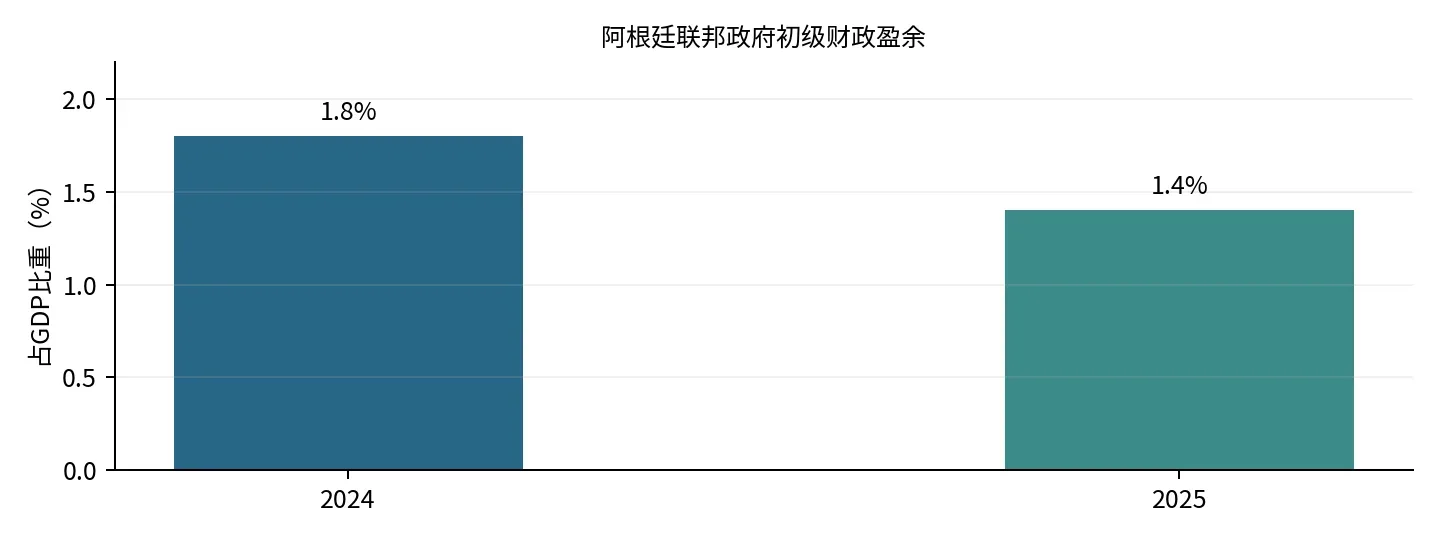
图1 联邦政府初级财政盈余(不含利息支出)。资料来源:IMF,[Ⅰ]。
财政平衡背后的组织问题值得深究。一个机构因公共需求而设立,掌握人员、预算及行政权限;当其资源取得机制逐渐脱离所提供的公共价值时,机构就可能依赖自身权力扩大预算与职能。决策收益由组织内部分享,运行成本及错误决策的代价却由社会承担。
我将这一跨意识形態、跨时空的癌变式组织繁衍特性概括为殖官主义(Bureaucolonialism / Reproductive Officialdom)。它可以发生于公共行政组织,也可以发生于依赖垄断、特许权与外部救助的私人组织。所有制、政治口号和组织名称的变化,无法自动消除这种权责脱节。
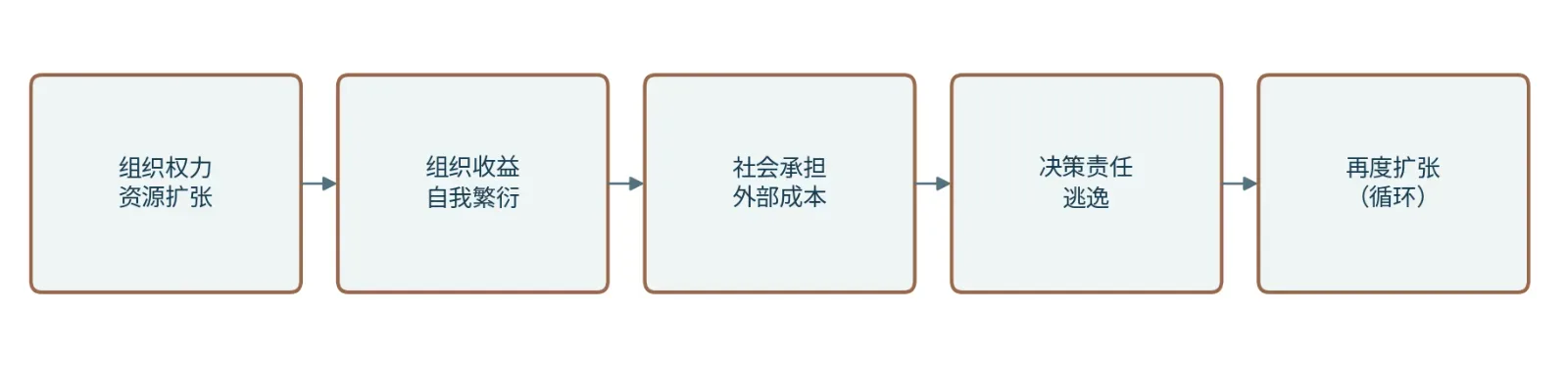
图2 殖官主义的自我繁衍机制:决策免责与成本转嫁形成反复扩张的条件。
其关键制度根源是决策免责权(Decision-making Immunity)。财政平衡约束组织可以支出多少资源;决策追踪与问责制追究谁决定支出、为何支出、产生什么效能,以及谁应承担相应责任。从组织财政约束走向组织责任约束,才能在制度层面抑制殖官主义的反复繁衍。
3. 货币为什么必须稳定?——从货币主义到组织信托经济学
货币稳定是阿根廷改革的另一个关键。IMF报告记录,年度通胀由2023年末超过200%降至2026年初约32.5%,其间财政调整、货币政策与贸易开放共同发挥作用。[Ⅰ]
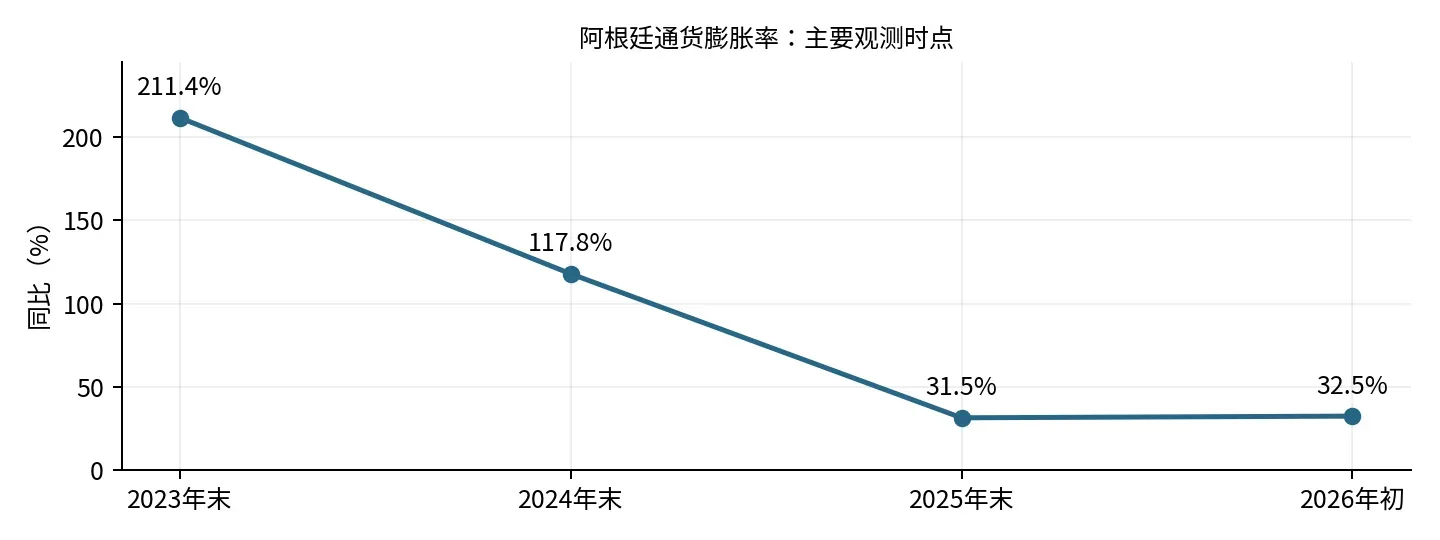
图3 阿根廷年度同比通胀率(选定观测时点;2026年初为约数)。资料来源:IMF、INDEC。[Ⅰ、Ⅲ]
一个人出售自己的劳动成果而接受货币,是相信它能够在未来承兑其他人创造的价值。货币因此具有社会信托的性质。长期以货币发行弥补组织财政缺口,会侵蚀储蓄和收入的购买力,也会削弱长期契约与投资的可信度。恢复货币信用,意味着修复社会主体之间跨时间的价值承兑关系。
表3 经济活动的组织信托本质
| 经济活动 | 信托关系 |
| 货币 | 社会价值交换信托 |
| 银行 | 财富保管与信用信托 |
| 债务 | 跨时间的价值承兑信托 |
| 契约 | 主体间的承诺与责任信托 |
| 税收 | 公共资源使用信托 |
| 政府 | 公共价值与治理责任信托 |
从家庭、社区、企业、银行到国家和国际组织,一切政治、经济与组织活动,都因生命的托付而存在。共生经济学从生产、生活与生命的意义上讲,就是组织信托经济学(Economics of Organizational Trust)。
4. 为什么要解除管制?——从市场自由到间道竞和
米莱与斯图尔塞内格尔推动的去管制改革,从行政审批延伸到租赁、贸易、投资等领域。减少不必要的制度性障碍,可以使既有资源重新进入社会生活。2025年,埃尔费特(Martin Elfert)与托姆森(Stephan L. Thomsen)研究布宜诺斯艾利斯解除住房租赁管制后的短期变化,发现住房出租供给恢复、租金下降。[Ⅳ]
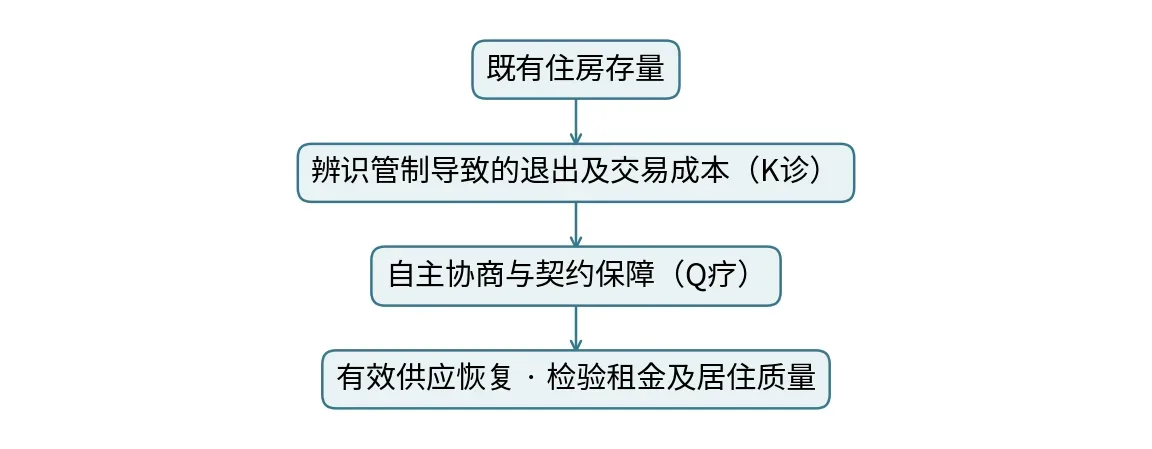
图4 住房租赁改革的共生经济学机制:以有效连接释放存量资源。
这一案例的重要意义,在于住房的生产量无需立即增加,住房存量通过契约条件的改变就能得到更充分的使用。房东与租户之间增加有效连接,减少寻找、等待与空置成本,能够创造新的社会净效能。增加有效连接,本身就是财富创造。
公共规则具有不同的效能:产权保障、契约履行、竞争规范及生命安全要求,为主体之间建立稳定连接提供条件;维护行政性特权和排斥竞争的规定则可能制造额外成本。私人垄断同样可能限制创新者的行动空间。因此,反殖官主义需要同时辨识行政权力、资本权力及技术垄断力量造成的社会成本。以效能辨识规则,以间道竞和而共生促进有效连接。和实生物,同则不继。
5. 改革最终为了什么?——从五月公约到社会综合净效能
2024年7月9日,阿根廷总统与18位地方行政负责人签署《五月公约》,将改革延展为国家制度建设的共同承诺。[Ⅱ] 公约十项原则可以分别从财富创造、组织责任及长期价值承兑的角度加以研究。
表4 五月公约十项原则与共生经济学观察
| 公约原则(概述) | 共生经济学观察 |
| 私人产权保障 | 生命自主行动及财产信托 |
| 财政平衡 | 约束组织成本转嫁 |
| 公共支出压降目标 | 检验公共资源净效能 |
| 基础教育质量与可及性 | 呵护生命成长及赋能 |
| 税制改革 | 减少制度性交易成本 |
| 联邦税收分配改革 | 中央与地方责任契合 |
| 自然资源开发 | 资源—产业—生命价值跃升 |
| 劳动制度现代化 | 扩大有效就业及契约连接 |
| 养老金制度改革 | 跨代价值承兑与长期信托 |
| 开放国际贸易 | 扩大跨主体有效连接 |
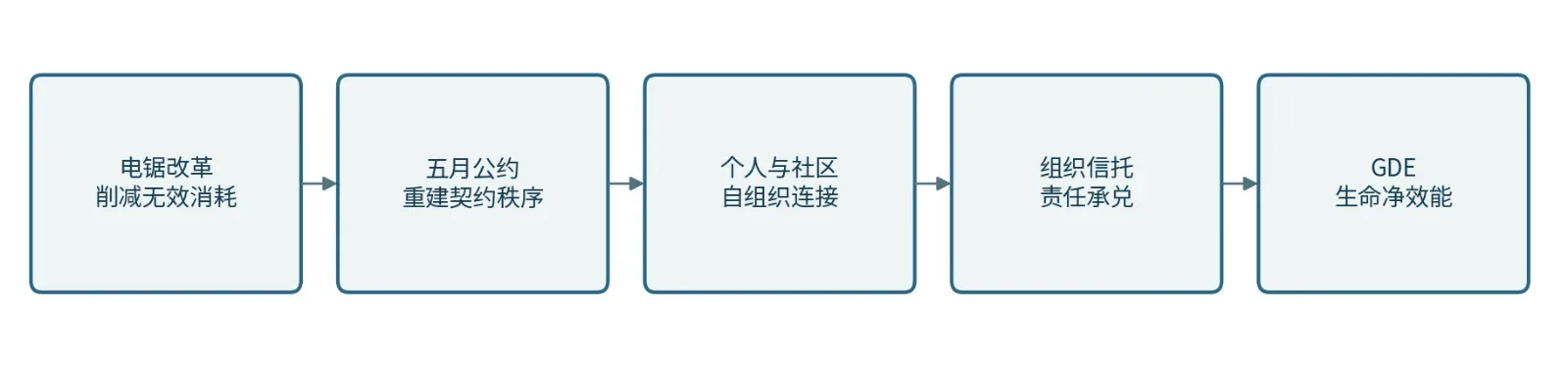
图5 从电锯改革到五月公约:组织信托重建的共生经济学理路。
从电锯到公约,改革的建设方向可以贯通为三个相应相辅相成的方面:激活个人和社区生命自组织连接活力,重建组织信托,提升社会综合净效能。生产回归生活,生活呈现生態,生態激励生命。
K诊是对结构性分化、成本转嫁及效能失衡的诊断;Q疗是通过改善主体间关系、增加有效连接、重建组织信托,开拓新的社会净效能空间。Q既非把K型分化强行拉平,也非将社会封闭成一个O型循环。

图6 从K诊到Q疗:辨识效能失衡,开拓有效连接。
共生经济学引入国内共生净效能(GDE)及效能系数η,对GDP所统计的生产流量进行效能辨识与校准。
GDE = Σ(GDPᵢ × ηᵢ) ηᵢ = GDEᵢ / GDPᵢ
以同一时期、可比较口径下的成本和价值为基础,将降本(C)、赋能(E)、健康(H)、信任(T)、和平(P)五因指数及生活基准用于具体政策评价。财政账本的改善应与家庭、企业及社区的生活账本相互对照。
表5 五因指数与生活基准
| 五因指数 | 改革研究切入点 | 生活基准 |
| 降本 C | 财政约束、减少审批 | 家庭综合支出、企业交易成本、公共服务单位成本 |
| 赋能 E | 创业、市场开放 | 就业、实际收入、技能、企业创造能力 |
| 健康 H | 定向公共服务 | 儿童营养、身心健康、医疗可及性、生態质量 |
| 信任 T | 货币与契约信用 | 实际购买力、履约、审计、责任承兑 |
| 和平 P | 竞争规范与社会协商 | 冲突成本、公共安全、协商与纠错能力 |
以贫困率为例,INDEC调查覆盖的31个城市聚居区,2025年下半年贫困人口比例为28.2%,2026年上半年为32.3%。[Ⅴ] 这些变化使生活基准的追踪尤为重要:需要进一步辨识实际劳动收入、生活支出及就业机会的变化,从而确定哪些改革措施能够产生更高的综合净效能。
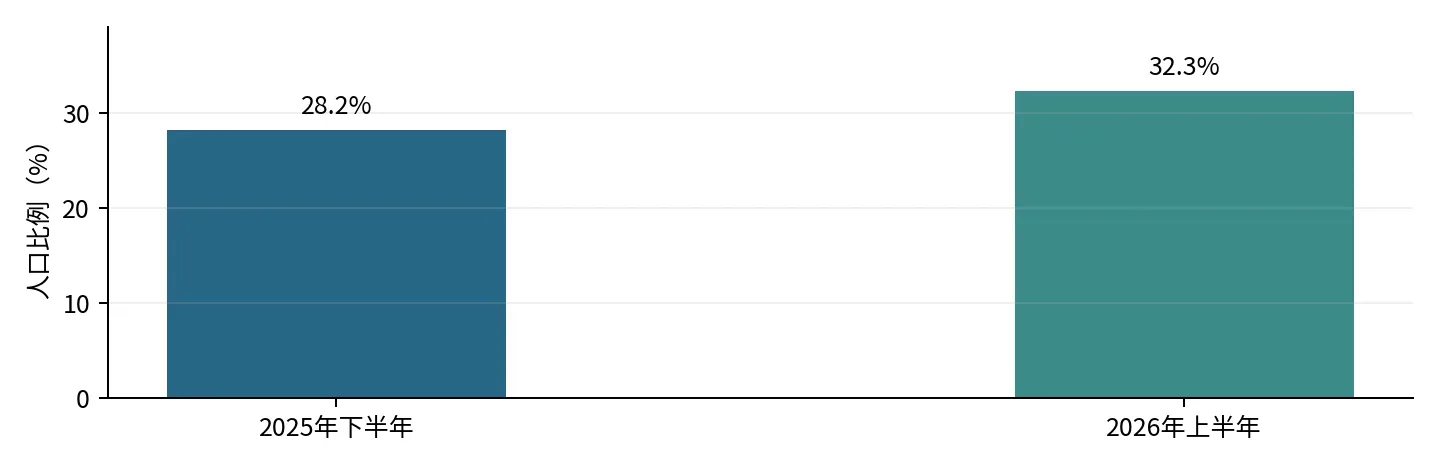
图7 城市人口贫困率的阶段性变化。资料来源:INDEC,[Ⅴ]。
三、米莱改革的五大逻辑,能否贯通为一个新经济学范式?
米莱改革具有丰富的思想渊源和政策特征。将其个人政治经济哲学、宏观政策工具、制度安排和改革实施方式分别考察,可以看到不同经济学理论的解释范围。
表6 米莱改革与七种既有经济理论及政策范式
| 理论或范式 | 联系与解释视角 |
| 奥地利经济学派 | 米塞斯的个人行动、哈耶克的自发秩序 |
| 无政府资本主义 | 私人产权、自愿契约、限制国家权力;个人思想归属 |
| 货币主义 | 货币稳定、抑制通胀;宏观政策工具 |
| 新自由主义 | 开放市场、私有化、减少管制;常见外部分类 |
| 秩序自由主义 | 法律秩序、竞争规范;制度条件 |
| 休克疗法 | 快速财政调整及结构改革;实施方式 |
| 凯恩斯主义 | 总需求、就业、经济周期;财政紧缩效果的研究视角 |
这些理论及政策范式各有解释范围,而米莱改革所触及的跨意识形態、跨时空的组织自我繁衍机制,以及激活个人和社区生命自组织连接活力、重建组织信托与提升社会综合净效能之间的内在关联,需要在新的经济学范式中加以贯通。
共生经济学从认识论、方法论及效能评价三个层次展开:认识论回到生命本原,方法论辨识组织病变并重建组织信托,效能评价以GDE、η、五因指数及生活基准检验改革。由此超越资本主义与社会主义、市场自由与政府管控、增长优先与分配优先、公与私、左与右的世纪钟摆式争论。
表7 共生经济学的三个理论拓展层次
| 理论层次 | 米莱改革实践切入点 | 共生经济学拓展 |
| 生命主体 | 个人自由、私人产权 | 个人与社区生命自组织连接活力 |
| 组织机制 | 财政纪律、货币稳定、去管制 | 反殖官主义、决策问责、重建组织信托 |
| 价值目标 | 经济稳定、投资与增长 | 生产、生活、生態与生命综合净效能 |
四、五大底层逻辑背后贯通着共生经济学全新范式
组织因生命的托付而存在。组织信托是组织权力的来源,责任承兑是组织权力得以延续的依据。殖官主义的本质,在于背离这一托付关系,利用组织权力繁衍自身;决策免责权则是其关键制度根源。
阿根廷1992年的《公共财政管理与控制法》确立了公共财务责任的法律基础。米莱上任后,第126/2023号法令要求国家总监察机构(SIGEN)及内部审计单位对政府交接状况形成报告。[Ⅵ] 这为追踪公共资源与组织责任提供了制度素材。
共生经济学提出公共决策全生命周期追踪与责任承兑制(Public Decision Traceability and Accountability):从公共需求、授权范围、决策依据与方案比较,到实施过程、效能检验、独立审计及依法问责,都应有清晰的责任主体和可追踪记录。
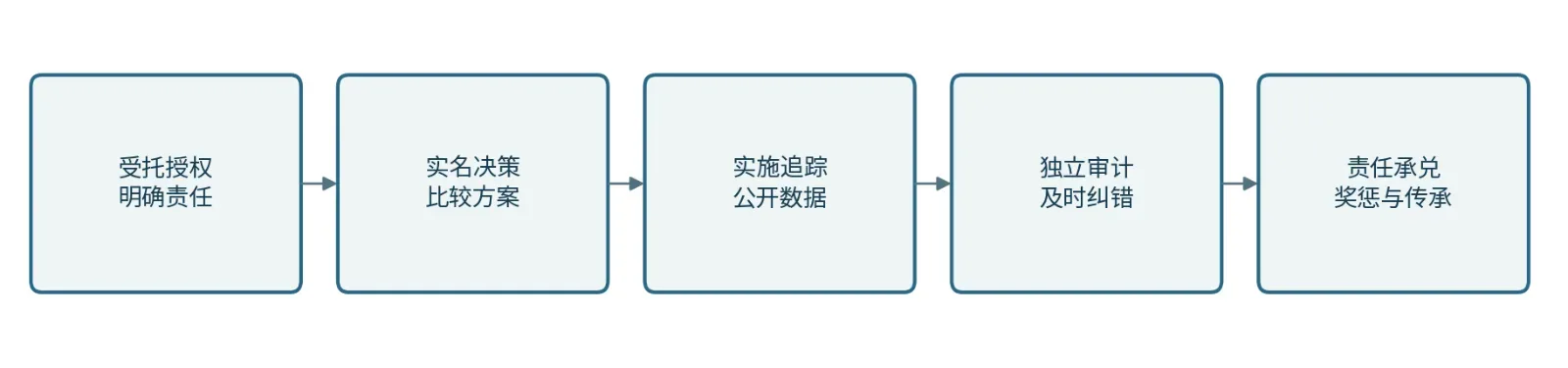
图8 公共决策全生命周期追踪与责任承兑制(理论构想)。
责任承兑还包括对有效贡献的奖赏、对合理探索的保护、对偏差的及时纠错及对故意或重大过失的依法追究。如此,组织便能够以其受托任务和实际公共价值证明存在的意义,社会也能通过持续纠错使组织更好地服务生命。
综合上述论证,五大经济底层逻辑背后的深层理路可以归纳为:一大病因——殖官主义跨意识形態、跨时空的癌变式组织繁衍;一个制度根源——决策免责权;两大建设路径——激活个人和社区生命自组织连接活力、重建组织信托;一个效能目标——提升社会综合净效能;一个终极宗旨——All for Life。
重建组织信托,是当今世界面临的重大时代课题。无论何种意识形態,无论何种社会制度,都存在重建组织信托的问题。阿根廷的电锯改革与五月公约,为这一世界性课题提供了具有现实意义的实践研究案例。
我的两部著作《共生经济学概论(修订版)》与《将AI升格为AM》,分别从经济净效能与心智文明两个维度展开研究,最终都指向组织信托重建。生命创造组织、资本与技术,并通过它们扩大自身的行动能力;组织、资本与技术的价值,都需要回到生命及其有效连接中加以检验。
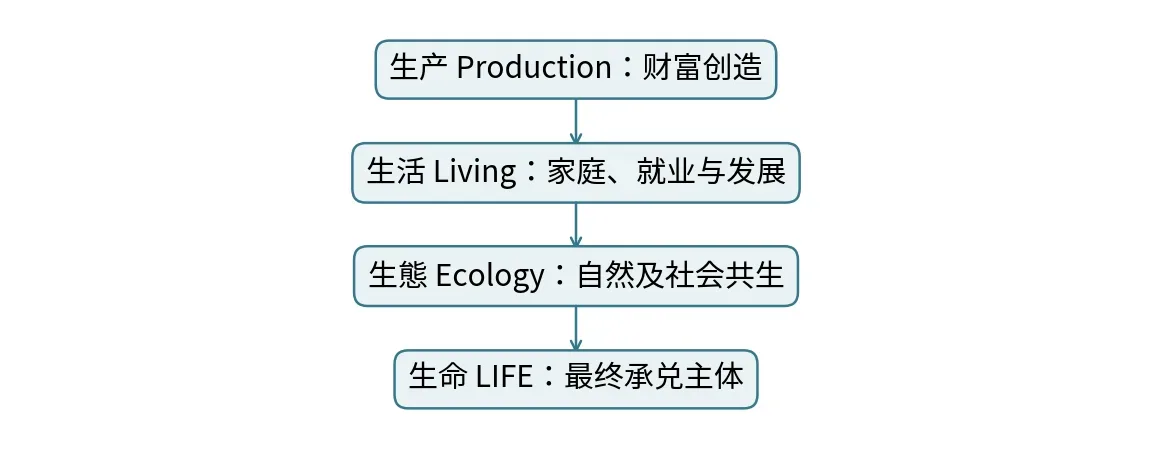
图9 生产、生活、生態与生命:共生经济学的价值指向。
谁拥有决策权,谁就应承担与之相称的责任;谁受生命之托,谁就必须向生命承兑。
All for Life!
主要参考文献及数据来源
Ⅰ. IMF. Argentina: 2026 Article IV Consultation, Second Review Under the Extended Arrangement Under the Extended Fund Facility. Country Report No. 2026/105, May 2026. https://www.elibrary.imf.org/view/journals/002/2026/105/article-A001-en.xml
Ⅱ. Casa Rosada. Se firmó el Pacto de Mayo. 9 julio 2024. https://www.casarosada.gob.ar/slider-principal/50570-se-firmo-el-pacto-de-mayo
Ⅲ. INDEC. Índice de precios al consumidor (IPC), national series. https://www.indec.gob.ar/
Ⅳ. Elfert, M. & Thomsen, S. L. The Impact of the Chainsaw-Liberation on the Rental Housing Market in Buenos Aires. IZA Discussion Paper No. 18107, 2025. https://www.iza.org/en/publications/dp/18107
Ⅴ. INDEC. Incidencia de la pobreza y la indigencia en 31 aglomerados urbanos, segundo semestre de 2025 y primer semestre de 2026. https://www.indec.gob.ar/indec/web/Nivel3-Tema-4--46
Ⅵ. Argentina. Decreto 126/2023, Sindicatura General de la Nación; Ley 24.156, Administración Financiera y Sistemas de Control del Sector Público Nacional. https://www.argentina.gob.ar/normativa/nacional/decreto-126-2023-395733/texto
Ⅶ. Mises, Ludwig von. Human Action: A Treatise on Economics. 1949.
Ⅷ. Hayek, Friedrich A. The Use of Knowledge in Society. American Economic Review, 1945.
Ⅸ. 钱宏(Archer Hong Qian):《共生经济学概论(修订版)》,2026年。
Ⅹ. 钱宏(Archer Hong Qian):《将AI升格为AM》,2026年。
Ⅺ. Casa Rosada. Palabras del presidente de la Nación, Javier Milei, en la apertura del ciclo lectivo en el Instituto Cardenal Copello, CABA. https://www.casarosada.gob.ar/informacion/discursos/50386-palabras-del-presidente-de-la-nacion-javier-milei-en-la-apertura-del-ciclo-lectivo-en-el-instituto-cardenal-copello-caba
Ⅻ. GINC Speech Index. Javier Milei: Words of the President of the Nation after receiving the award, 21 July 2024. https://speech.ginc.org/speech/javier-milei-words-of-the-president-of-the-nation-after-receiving-the-2024-07-21/

The Five Fundamental Economic Principles of Milei’s Reforms: An Analysis through the Paradigm of Symbionomics
Archer Hong Qian
Written on the evening of November 26, 2026
Apartment 403, NIC Lerma, Buenos Aires
Abstract
Drawing on nearly three years of Javier Milei’s reform practices in Argentina, this article identifies five fundamental economic principles: wealth creation preceding distribution, fiscal discipline, monetary credibility, free competition and institutional stability. Comparing seven established economic theories and policy paradigms, it identifies the cancer-like organizational self-proliferation of Bureaucolonialism across ideological, temporal and spatial boundaries, and its institutional root — decision-making immunity. Symbionomics integrates the constructive trajectory of reform: the chainsaw reforms dismantle entrenched structures; the Pact of May lays the foundations for reconstruction; rebuilding organizational trust connects dismantling with reconstruction; and enhancing the effectiveness of life is the ultimate purpose. Gross Domestic Symbiotic Net Effectiveness (GDE), the effectiveness coefficient (η), the Five-Factor Index and living benchmarks provide a framework for evaluating reform outcomes in terms of individual and community self-organizing connections and comprehensive social net effectiveness. Argentina’s experience offers an opportunity to explore a new economic paradigm beyond longstanding ideological controversies, oriented toward All for Life.
Keywords: Milei’s reforms; Symbionomics; Bureaucolonialism; decision-making immunity; organizational trust; effectiveness of life.
“I did not come to lead lambs; I came to awaken lions!” (Yo no vine a guiar corderos, yo vine a despertar leones.) [XI, XII]
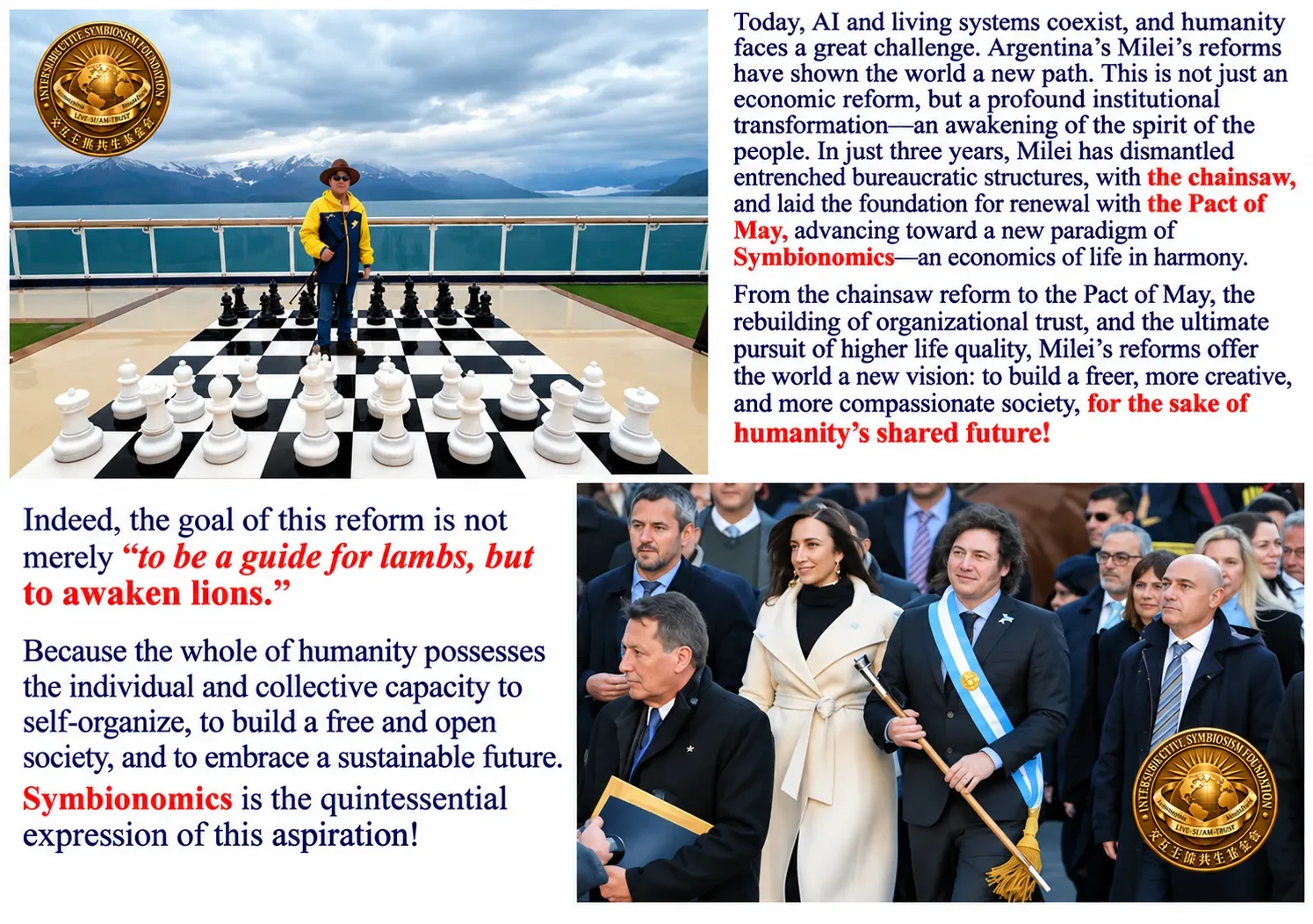
Opening illustration — English translation of the original text
Today, AI and biotechnology possess enormous power, yet humanity lacks wisdom commensurate with that power — Amorsophia, the Wisdom of Love. Before Cartesian mind–body dualism, the divinity of the Love of Wisdom (holistic unity) overshadowed humanity and rationality. Since then, rationality (systems, engineering and tools) has overshadowed divinity. For nearly a century, the work of envisioning the future has passed from philosophers to engineers, politicians and ambitious power seekers, while humanity drifts amid diversity and ecological challenges, struggling to discern its direction and distinguish good from evil.
As AI and biotechnology enter everyday life, the human body and the human mind, directly influencing human modes of survival and living, engineers and philosophers must advance hand in hand. Large language models, brain–computer interface programming, sovereignty and human rights require philosophical support and integration. Humanity must reach a consensus endowed with Amorsophia and establish a global covenant of symbiosis, elevating AI toward wisdom and fostering the intersubjective symbiosis of humanity, rationality and divinity. Only thus can crises in natural ecology (including the human body) and social ecology (including cultural diversity) be prevented from escalating into destructive ecological warfare, potentially even a third world war, and bring blessings to all.
I appreciate Milei’s expressions: “I did not come to lead lambs; I came to awaken lions!” The state is “a product of evil”; “the specter of Keynesian economics is everywhere”; and he supports ordinary citizens’ right to possess firearms for self-defense. Every living individual possesses vitality, and the capacity of individuals to associate freely, organize themselves and sustain external connections is the foundation of enduring human social vitality. Any political, economic or cultural arrangement undermining this foundation is immoral and illegitimate; conversely, arrangements sustaining it possess inherent legitimacy. Milei’s economic thought advocates freely self-organizing individuals who all enjoy the right to symbiosis. This extends beyond Austrian economics alone and exhibits the characteristics of Symbionomics.
The scene at the beginning of Milei’s presidency, when he received the presidential staff from the presiding officer of the Argentine Congress and took his oath before the Constitution, left a profound impression on me.
Over the past three years, I have continuously followed and reflected upon developments in Argentina and Milei’s reforms, writing no fewer than eight articles on these subjects.
And now, here I am!
I have further examined the economic reform documents publicly released by the Argentine government and the IMF’s assessment of Argentina’s economy published in May 2026. From nearly three years of Milei’s reform practices, five fundamental economic principles can be identified.
These five principles and their practical manifestations are connected with the theoretical frameworks of established schools of economics, while also exhibiting significant advances beyond them.
Underlying Milei’s five economic principles is an entirely new line of reasoning that can be integrated through Symbionomics — Rebuilding Organizational Trust.
In my view, Milei’s call to awaken lions is a call to awaken the power of life’s self-organizing connections!
From theoretical insight three years ago to empirical examination today — from awakening lions to awakening the power of life’s self-organizing connections, from Milei’s chainsaw reforms to the new paradigm of Symbionomics.
I. The Five Fundamental Economic Principles of Milei’s Reforms
From the chainsaw reforms to the Pact of May (Pacto de Mayo), Argentina’s reform practices over nearly three years reveal five interconnected economic principles. Beginning with the subjects of wealth creation, these principles proceed through fiscal discipline, monetary credibility and competition norms, ultimately moving toward organizational trust capable of sustaining long-term prosperity.
Table 1. Milei’s Five Fundamental Economic Principles and Symbionomics
| Fundamental economic principle | Major reform practices | Symbionomics interpretation |
| Wealth creation precedes wealth distribution | Private property rights, entrepreneurship, market vitality | Activating life’s self-organizing connections |
| Government must be subject to fiscal discipline | Chainsaw reforms, institutional streamlining, fiscal balance | Curtailing Bureaucolonialism and cost externalization |
| Money must possess credibility | Restricting deficit monetization, curbing inflation | Rebuilding monetary and financial trust |
| Free competition is superior to administrative privilege | Deregulation, market opening, reduction of privileges | Cost reduction, empowerment, competition and cooperation |
| Institutional stability sustains long-term prosperity | Pact of May, property rights and institutional reform | Rebuilding organizational trust and enhancing comprehensive net effectiveness |
These five principles are interconnected: wealth creation requires space for autonomous action; fiscal discipline reduces ineffective organizational consumption of wealth; monetary credibility provides stable expectations for social exchange; competition and contracts expand effective connections; and institutional stability enables these relationships to endure.
II. Re-examining the Five Fundamental Economic Principles through Symbionomics
1. Where Does Wealth Come From? — From Individual Action to Life’s Self-Organizing Connections
Milei emphasizes private property rights, individual freedom and entrepreneurship. Ludwig von Mises’s Human Action and Friedrich Hayek’s research on dispersed knowledge and spontaneous order provide important intellectual resources for understanding this reform philosophy. When individuals possess the freedom to exercise autonomous judgment, take action and engage in exchange, society can continuously discover new opportunities for wealth creation.
Symbionomics begins with the fundamental nature of life: the first premise of all history is the existence of individual life through self-organizing connections. A farmer may possess the ability to grow crops, yet still requires seeds, land, agricultural implements, irrigation facilities and distribution channels. When the farmer establishes effective connections with different living subjects, individual capacity can acquire a multiplier effect. This applies equally to individuals, families, communities and enterprises. Market transactions, family cooperation, community mutual assistance and knowledge sharing each possess their own forms of connection and effectiveness.
The growth of wealth depends upon the mutually corresponding and complementary relationship between the dynamic equilibrium of self-organizing connections (kinetic energy) and intersubjective symbiosis (potential energy). Property rights protection and voluntary contracts provide institutional conditions for individual action; trust, specialization and cooperation enable dispersed creative capacities to reinforce one another. Individual freedom is essential to wealth creation, while organizational trust enables creative capacities to support and empower one another. This is the economic significance of Family First, Community Priority, Government in Service.
2. Why Must Government Be Subject to Fiscal Discipline? — From Fiscal Balance to Countering Bureaucolonialism
Milei’s chainsaw reforms directly address the operating mechanisms of government finance and administrative organizations. According to the IMF assessment published in May 2026, Argentina’s federal government recorded primary fiscal surpluses of 1.8% and 1.4% of GDP in 2024 and 2025 respectively. Primary expenditure declined from 15.0% to 14.6% of GDP. Fiscal discipline became an important condition for reducing persistent deficits and the associated pressures toward deficit monetization. [I]
Table 2. Argentina’s Fiscal Reforms and Economic Performance (IMF, May 2026)
| Indicator | 2024 | 2025 |
| Primary fiscal surplus/GDP | 1.8% | 1.4% |
| Primary fiscal expenditure/GDP | 15.0% | 14.6% |
| Federal government debt/GDP | 84.7% | 80.3% |
| Real GDP growth | −1.3% | 4.4% |
| Year-end year-on-year inflation | 117.8% | 31.5% |
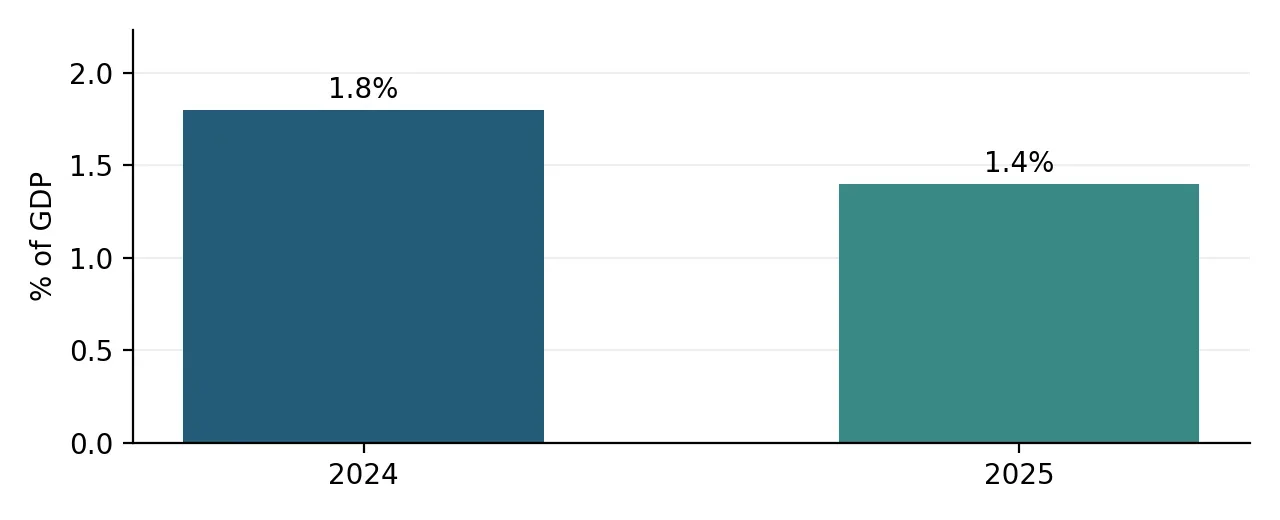
Figure 1. Federal government primary fiscal surplus, excluding interest expenditure. Source: IMF [I].
The organizational problems underlying fiscal balance deserve deeper examination. An institution is established in response to public needs and entrusted with personnel, budgets and administrative authority. When its mechanisms for acquiring resources become detached from the public value it provides, it may rely on its own authority to expand its budget and functions. Decision-making benefits are shared internally, while operating costs and the costs of erroneous decisions are borne by society.
I characterize this cancer-like pattern of organizational proliferation across ideological, temporal and spatial boundaries as Bureaucolonialism / Reproductive Officialdom. It can arise within public administrative organizations as well as private organizations dependent upon monopolies, privileges and external bailouts. Changes in ownership structures, political slogans or organizational names cannot automatically eliminate this disconnection between authority and responsibility.
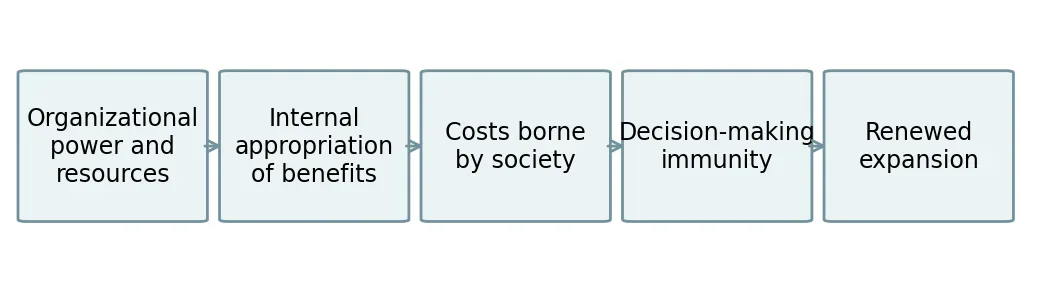
Figure 2. The self-proliferation mechanism of Bureaucolonialism: decision-making immunity and cost externalization create the conditions for recurrent expansion.
Its fundamental institutional root is Decision-making Immunity. Fiscal balance constrains how many resources an organization may expend; decision traceability and accountability determine who authorized expenditure, why, what effectiveness it achieved and who should bear the corresponding responsibility. Only by progressing from fiscal constraints to accountability constraints can recurrent Bureaucolonialism be institutionally curbed.
3. Why Must Money Be Stable? — From Monetarism to the Economics of Organizational Trust
Monetary stability is another essential dimension of Argentina’s reforms. The IMF report records that annual inflation declined from more than 200% at the end of 2023 to approximately 32.5% in early 2026, with fiscal adjustment, monetary policy and trade liberalization jointly contributing. [I]
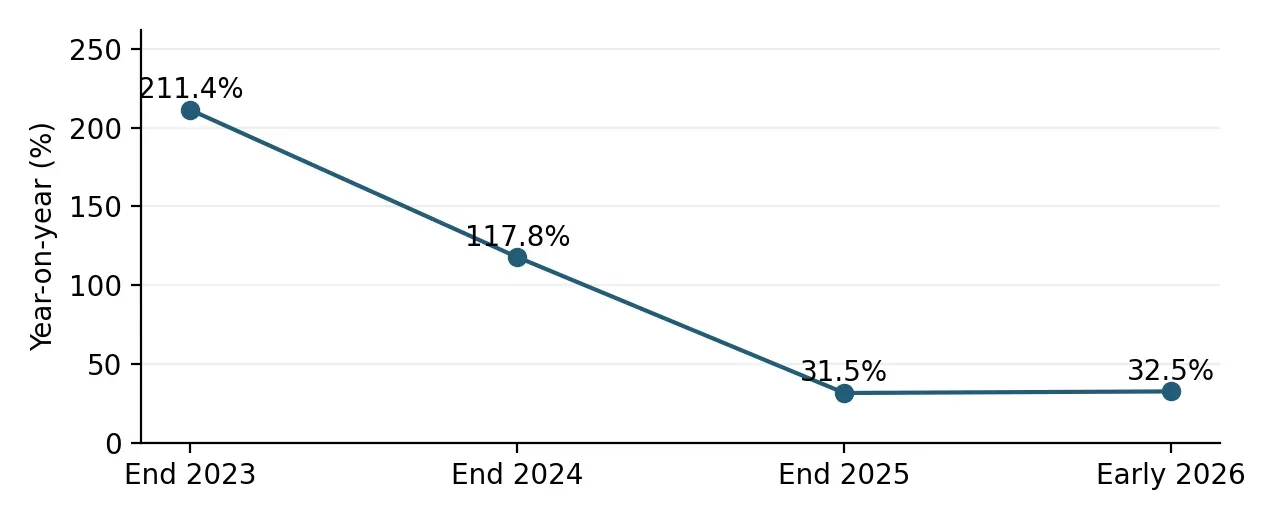
Figure 3. Argentina’s annual year-on-year inflation at selected observation points; early 2026 is approximate. Sources: IMF and INDEC [I, III].
When an individual sells the fruits of their labor and accepts money in return, this rests on the belief that money will subsequently be redeemable for value created by others. Money therefore embodies social trust. Persistent issuance of money to cover organizational fiscal shortfalls erodes the purchasing power of savings and income and undermines the credibility of long-term contracts and investment. Restoring monetary credibility means repairing relationships of value fulfillment across time among social subjects.
Table 3. Organizational Trust Embedded in Economic Activities
| Economic activity | Relationship of trust |
| Money | Trust in social value exchange |
| Banking | Trust in wealth custody and credit |
| Debt | Trust in value fulfillment across time |
| Contracts | Trust in commitments and responsibilities among subjects |
| Taxation | Trust in public resource use |
| Government | Trust in public value and governance responsibilities |
From families, communities, enterprises and banks to nation-states and international organizations, all political, economic and organizational activities exist by virtue of the trust placed in them by life. In terms of production, living and life, Symbionomics is an Economics of Organizational Trust.
4. Why Is Deregulation Necessary? — From Market Freedom to Competition and Cooperation through Interrelationships
The deregulation reforms advanced by Milei and Federico Sturzenegger, Minister of Deregulation and State Transformation, extend from administrative approvals to rental housing, trade, investment and other areas. Reducing unnecessary institutional barriers enables existing resources to re-enter social life. In 2025, Martin Elfert and Stephan L. Thomsen examined short-term changes in the Buenos Aires rental housing market following deregulation, identifying a recovery in rental supply and a decline in rents. [IV]
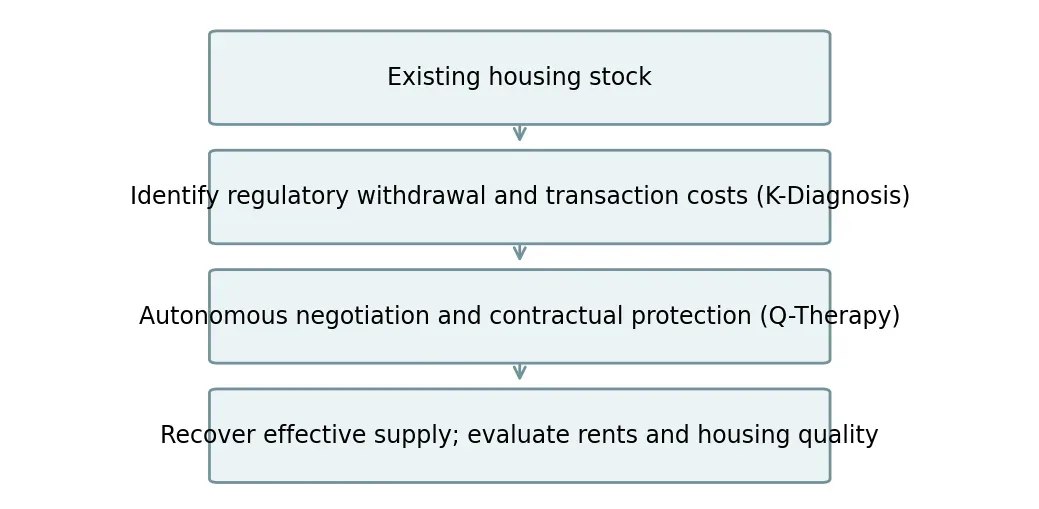
Figure 4. The Symbionomics mechanism of rental housing reform: releasing existing resources through effective connections.
The significance of this case lies in the fact that housing stock can be utilized more fully through changes in contractual conditions, without an immediate increase in housing production. Increasing effective connections between landlords and tenants while reducing searching, waiting and vacancy costs creates new social net effectiveness. Increasing effective connections is itself wealth creation.
Public rules possess different kinds of effectiveness: property rights protection, contract enforcement, competition norms and life safety requirements establish conditions for stable connections among subjects; regulations maintaining administrative privileges and excluding competition may create additional costs. Private monopolies can likewise restrict innovators’ room for action. Countering Bureaucolonialism requires identifying social costs arising from administrative power, capital power and technological monopolies. Rules should be discerned through effectiveness, and effective connections promoted through competition, cooperation and symbiosis within interrelationships. Harmony brings forth life; uniformity cannot sustain it.
5. What Is the Ultimate Purpose of Reform? — From the Pact of May to the Comprehensive Net Effectiveness of Society
On July 9, 2024, the Argentine president and 18 provincial executive leaders signed the Pact of May, extending reform into a shared commitment to national institutional development. [II] Its ten principles can be examined from the perspectives of wealth creation, organizational responsibility and long-term value fulfillment.
Table 4. The Ten Principles of the Pact of May through Symbionomics
| Principles of the Pact (summary) | Symbionomics perspective |
| Protection of private property rights | Autonomous action of life and property trust |
| Fiscal balance | Constraining organizational cost externalization |
| Public expenditure reduction targets | Evaluating net effectiveness of public resources |
| Quality and accessibility of basic education | Nurturing and empowering life’s development |
| Tax reform | Reducing institutional transaction costs |
| Federal tax revenue distribution reform | Alignment of federal and provincial responsibilities |
| Natural resource development | Advancing value from resources through industry to life |
| Modernization of labor institutions | Expanding effective employment and contractual connections |
| Pension reform | Intergenerational value fulfillment and long-term trust |
| Opening international trade | Expanding effective connections among subjects |
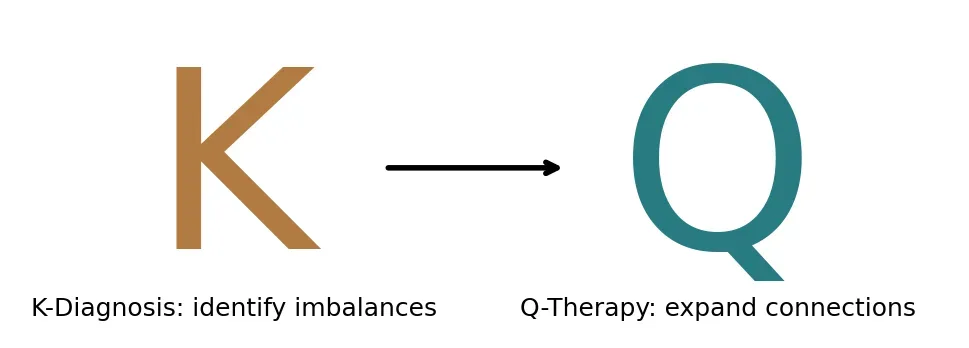
Figure 5. From the chainsaw reforms to the Pact of May: the Symbionomics pathway toward rebuilding organizational trust.
From the chainsaw to the Pact, the constructive direction of reform can be integrated into three mutually complementary dimensions: activating the vitality of individual and community life’s self-organizing connections, rebuilding organizational trust, and enhancing the comprehensive net effectiveness of society. Production returns to living; living embodies ecology; ecology invigorates life.
The chainsaw reforms dismantle entrenched structures; the Pact of May lays the foundations for reconstruction; rebuilding organizational trust constitutes the institutional nexus between dismantling and reconstruction; and enhancing the effectiveness of life is the ultimate purpose of reform.
K-Diagnosis identifies structural divergence, cost externalization and imbalances in effectiveness. Q-Therapy opens new possibilities for social net effectiveness by improving relationships among subjects, increasing effective connections and rebuilding organizational trust. Q entails neither forcibly flattening K-shaped divergence nor enclosing society within an O-shaped cycle.
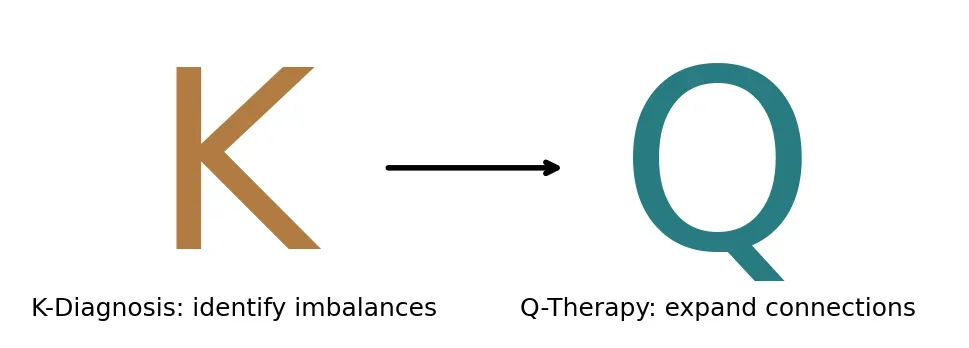
Figure 6. From K-Diagnosis to Q-Therapy: identifying imbalances in effectiveness and expanding effective connections.
Symbionomics introduces Gross Domestic Symbiotic Net Effectiveness (GDE) and the effectiveness coefficient η to discern and calibrate the production flows measured by GDP.
GDE = Σ(GDPᵢ × ηᵢ) ηᵢ = GDEᵢ / GDPᵢ
Based on costs and values measured over the same period and on a comparable basis, the Five-Factor Index — Cost Reduction (C), Empowerment (E), Health (H), Trust (T), and Peace (P) — together with living benchmarks, can be applied to specific policy evaluation. Improvements in fiscal accounts should be examined alongside the living accounts of households, enterprises and communities.
Table 5. The Five-Factor Index and Living Benchmarks
| Five-Factor Index | Reform research entry points | Living benchmarks |
| Cost Reduction (C) | Fiscal discipline, reduced approvals | Household expenditure, enterprise transaction costs, unit costs of public services |
| Empowerment (E) | Entrepreneurship, market opening | Employment, real income, skills, enterprise creative capacity |
| Health (H) | Targeted public services | Child nutrition, physical and mental health, healthcare access, ecological quality |
| Trust (T) | Monetary and contractual credibility | Real purchasing power, contract fulfillment, auditing, fulfillment of responsibilities |
| Peace (P) | Competition norms and social consultation | Conflict costs, public safety, negotiation and error correction |
Taking poverty rates as an example, INDEC’s survey covering 31 urban agglomerations recorded a poverty rate of 28.2% in the second half of 2025 and 32.3% in the first half of 2026. [V] These changes make monitoring living benchmarks particularly important. Further examination of real labor income, living expenses and employment opportunities is required to determine which reforms can achieve higher comprehensive net effectiveness.
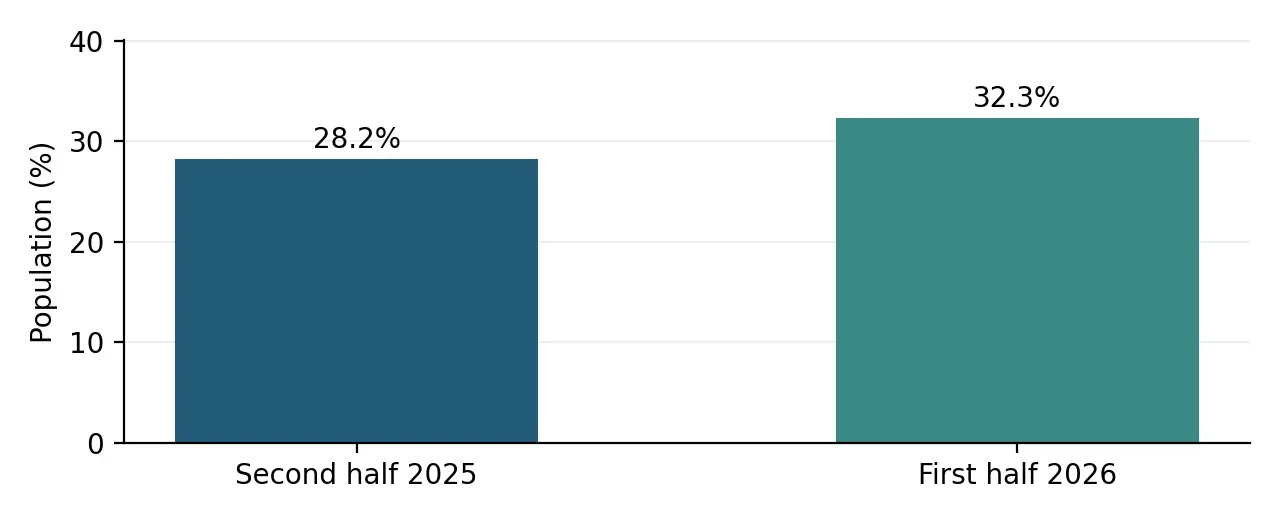
Figure 7. Changes in urban poverty rates across selected periods. Source: INDEC [V].
III. Can Milei’s Five Fundamental Principles Be Integrated into a New Economic Paradigm?
Milei’s reforms possess rich intellectual origins and diverse policy characteristics. By separately examining his personal political-economic philosophy, macroeconomic policy instruments, institutional arrangements and methods of implementation, we can discern the explanatory scope of different economic theories.
Table 6. Milei’s Reforms and Seven Established Economic Theories and Policy Paradigms
| Theory or paradigm | Connections and explanatory perspectives |
| Austrian School of Economics | Mises’s individual action and Hayek’s spontaneous order |
| Anarcho-capitalism | Private property, voluntary contracts, limits on state power; personal intellectual affiliation |
| Monetarism | Monetary stability, inflation control; macroeconomic policy instruments |
| Neoliberalism | Market opening, privatization, deregulation; common external classification |
| Ordoliberalism | Legal order, competition norms; institutional conditions |
| Shock therapy | Rapid fiscal adjustment and structural reform; implementation method |
| Keynesianism | Aggregate demand, employment, economic cycles; perspective on fiscal austerity effects |
Each theory and policy paradigm has its own explanatory scope. The organizational self-proliferation mechanisms across ideological, temporal and spatial boundaries confronted by Milei’s reforms, together with the intrinsic relationships among activating individual and community life’s self-organizing connections, rebuilding organizational trust and enhancing the comprehensive net effectiveness of society, require integration within a new economic paradigm.
Symbionomics develops this paradigm at three levels: epistemology returns to the fundamental nature of life; methodology identifies organizational pathologies and rebuilds organizational trust; effectiveness evaluation employs GDE, η, the Five-Factor Index and living benchmarks to examine reform. This approach transcends the century-long pendulum-like controversies between capitalism and socialism, market freedom and government control, growth and distribution priorities, public and private ownership, and the political Left and Right.
Table 7. Three Levels of Theoretical Advancement in Symbionomics
| Theoretical level | Entry points in Milei’s reforms | Symbionomics advancement |
| Life as subject | Individual freedom, private property rights | Vitality of individual and community life’s self-organizing connections |
| Organizational mechanisms | Fiscal discipline, monetary stability, deregulation | Countering Bureaucolonialism, decision accountability, rebuilding organizational trust |
| Value objectives | Economic stability, investment, growth | Comprehensive net effectiveness of production, living, ecology and life |
IV. A New Paradigm of Symbionomics Underlying the Five Fundamental Economic Principles
Organizations exist by virtue of the trust placed in them by life. Organizational trust is the source of organizational authority, while fulfillment of entrusted responsibilities is the basis upon which that authority can be sustained. The essence of Bureaucolonialism lies in its betrayal of this relationship of trust and exploitation of organizational authority to perpetuate its own proliferation. Decision-making immunity is its fundamental institutional root.
Argentina’s 1992 Law on Financial Administration and Control Systems established the legal foundations for public financial accountability. Following Milei’s assumption of office, Decree No. 126/2023 required the General Comptroller’s Office of the Nation (SIGEN) and internal audit units to report on the circumstances of the governmental transition. [VI] This provides institutional material for tracing public resources and organizational responsibilities.
Symbionomics proposes Full-Life-Cycle Public Decision Traceability and Accountability: from public needs, authorization scope, grounds for decisions and comparison of alternatives, through implementation, effectiveness evaluation, independent auditing and legal accountability, every stage should have clearly identified responsible subjects and traceable records.
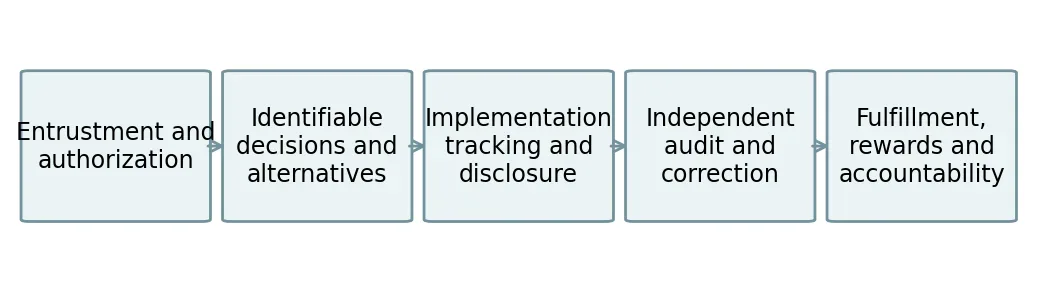
Figure 8. Full-life-cycle public decision traceability and accountability: a theoretical framework.
Fulfillment of entrusted responsibilities encompasses rewarding effective contributions, protecting reasonable exploration, correcting deviations in a timely manner and pursuing legal accountability for intentional misconduct or gross negligence. Organizations can thereby demonstrate their significance through entrusted missions and actual public value, while society can enable organizations to serve life more effectively through continuous error correction.
The deeper reasoning underlying the five principles can be summarized as follows: one fundamental pathology — cancer-like organizational proliferation of Bureaucolonialism across ideological, temporal and spatial boundaries; one institutional root — decision-making immunity; two constructive pathways — activating individual and community life’s self-organizing connections and rebuilding organizational trust; one effectiveness objective — enhancing comprehensive social net effectiveness; and one ultimate purpose — All for Life.
Rebuilding organizational trust constitutes a major challenge of our time. Regardless of ideology or social institutions, every society faces this challenge. Argentina’s chainsaw reforms and the Pact of May provide a practically significant case study for examining this worldwide issue.
My two books, Symbionomics: An Overview (Revised Edition) and Elevating AI to AM, explore this subject from two complementary dimensions: economic net effectiveness and the civilization of mind. Both ultimately converge upon rebuilding organizational trust. Life creates organizations, capital and technology, and through them expands its own capacity for action. Their value must ultimately be examined in relation to life and its effective connections.
Figure 9. Production, living, ecology and life: the value orientation of Symbionomics.
Whoever possesses decision-making authority must bear the corresponding responsibility; whoever is entrusted by life must fulfill that trust in service to life.
All for Life!

References and Data Sources
Ⅰ. IMF. Argentina: 2026 Article IV Consultation, Second Review Under the Extended Arrangement Under the Extended Fund Facility. Country Report No. 2026/105, May 2026. https://www.elibrary.imf.org/view/journals/002/2026/105/article-A001-en.xml
Ⅱ. Casa Rosada. Se firmó el Pacto de Mayo. 9 julio 2024. https://www.casarosada.gob.ar/slider-principal/50570-se-firmo-el-pacto-de-mayo
Ⅲ. INDEC. Índice de precios al consumidor (IPC), national series. https://www.indec.gob.ar/
Ⅳ. Elfert, M. & Thomsen, S. L. The Impact of the Chainsaw-Liberation on the Rental Housing Market in Buenos Aires. IZA Discussion Paper No. 18107, 2025. https://www.iza.org/en/publications/dp/18107
Ⅴ. INDEC. Incidencia de la pobreza y la indigencia en 31 aglomerados urbanos, segundo semestre de 2025 y primer semestre de 2026. https://www.indec.gob.ar/indec/web/Nivel3-Tema-4--46
Ⅵ. Argentina. Decreto 126/2023, Sindicatura General de la Nación; Ley 24.156, Administración Financiera y Sistemas de Control del Sector Público Nacional. https://www.argentina.gob.ar/normativa/nacional/decreto-126-2023-395733/texto
Ⅶ. Mises, Ludwig von. Human Action: A Treatise on Economics. 1949.
Ⅷ. Hayek, Friedrich A. The Use of Knowledge in Society. American Economic Review, 1945.
IX. Qian, Archer Hong. Symbionomics: An Overview (Revised Edition). 2026.
X. Qian, Archer Hong. Elevating AI to AM. 2026.
Ⅺ. Casa Rosada. Palabras del presidente de la Nación, Javier Milei, en la apertura del ciclo lectivo en el Instituto Cardenal Copello, CABA. https://www.casarosada.gob.ar/informacion/discursos/50386-palabras-del-presidente-de-la-nacion-javier-milei-en-la-apertura-del-ciclo-lectivo-en-el-instituto-cardenal-copello-caba
Ⅻ. GINC Speech Index. Javier Milei: Words of the President of the Nation after receiving the award, 21 July 2024. https://speech.ginc.org/speech/javier-milei-words-of-the-president-of-the-nation-after-receiving-the-2024-07-21/